Speak
English Confidently at Work in Asia: The Moment You Stop Translating and Start Communicating
Teacher Adrian - Helping professionals build real English confidence, one conversation at a time
Speak English Confidently at Work in Asia - The Problem Most English Learners Don’t Realise They Have
Let me ask you a simple question.
When someone speaks English to you, what happens inside your head?
For many professionals across Asia, the process looks like this:
- Listen to the sentence
- Translate it into your native language
- Think about your response
- Translate your response into English
- Check the grammar
- Finally… speak
By the time step six arrives, the conversation has already moved on.
And suddenly you feel slow, hesitant, or unsure.
But here’s the important truth:
Your English ability isn’t the problem.
Your brain is simply working too hard to translate instead of communicate.

Speak English Confidently at Work in Asia: Stop Translating and Start Communicating
 Online English lesson for professionals learning English in Asia
You Know More English Than You Think
After years of study, most professionals already have the tools they need.
You can:
- Understand presentations
- Read complex documents
- Follow meetings
- Write professional emails
So why does speaking still feel difficult?
Because speaking English is not a knowledge test.
It’s a confidence skill.
And confidence disappears the moment we start overthinking every word.
Speak English Confidently at Work in Asia: Stop Translating and Start Communicating
Translation Is the Silent Confidence Killer
Translating feels safe.
It feels accurate.
It feels controlled.
But it also slows you down and increases pressure.
When you translate everything, your brain becomes busy with grammar, vocabulary, and correctness.
Meanwhile, the conversation keeps moving.
This is why many intelligent professionals feel frustrated.
They know what they want to say.
But by the time they finish translating it in their head, the moment has passed.
Real Communication Is Messy
Here is something most English learners never hear.
Real communication is not perfect.
Even native speakers:
- Pause
- Search for words
- Repeat themselves
- Correct sentences mid-conversation
Communication is not about perfect sentences.
It’s about sharing ideas clearly enough to be understood.
The professionals who speak confidently aren’t necessarily the ones with the best grammar.
They’re the ones who have learned to trust their voice and keep speaking.
 The 'L' is for Language - 12-Week English Transformation Journey
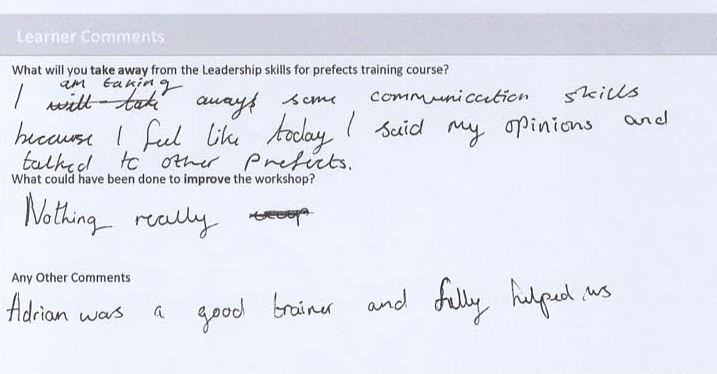 Professional English speaking training for Asian learners
 Level 1 English for Everyday Life online speaking course
The Shift That Changes Everything
There is a moment that transforms how people speak English.
It’s subtle.
But powerful.
It’s the moment when someone stops asking:
"Is this sentence perfect?"
And starts asking:
"Does my idea make sense?"
That shift changes everything.
Because suddenly communication becomes the goal - not perfection.
Contact Teacher Adrian If You Have Any Questions
Pressure Changes How We Speak
Interestingly, many professionals can speak English comfortably in relaxed situations.
But when pressure appears - meetings, presentations, or senior colleagues - confidence drops.
Why?
Because pressure activates the translator again.
You begin checking every word.
You worry about grammar.
You second-guess your sentences.
And suddenly the confidence disappears.
Learning to speak English confidently means learning to stay calm even when the pressure rises.
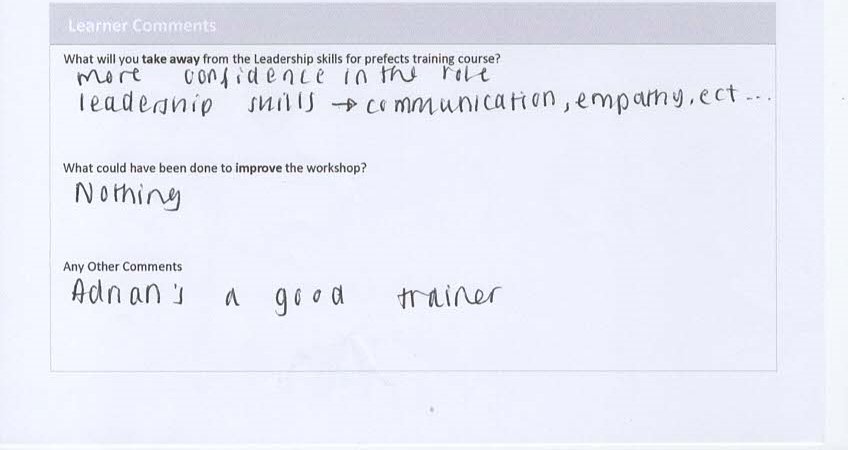 English teacher Adrian helping learners improve speaking confidence
Confidence Is a Trainable Skill
This is where many learners misunderstand confidence.
Confidence is not something you are born with.
It is something you practice deliberately.
Just like leadership.
Just like public speaking.
Just like negotiation.
Speaking English confidently requires training your brain to:
- Respond naturally
- Communicate ideas quickly
- Tolerate small mistakes
- Focus on meaning instead of perfection
And that takes the right kind of practice.
 Students learning English communication skills online
Contact Teacher Adrian If You Have Any Questions
Speak English Confidently at Work in Asia: Stop Translating and Start Communicating
Why Most English Learning Doesn’t Fix This
Traditional English learning focuses on:
- Grammar exercises
- Vocabulary memorisation
- Reading comprehension
- Exam preparation
But none of these teach the skill professionals actually need:
Thinking and responding naturally in English conversations.
This is why many professionals study English for years but still feel nervous speaking.
They learned the language.
But they never trained the confidence muscle.
 British English teacher supporting professionals learning English in Asia
The Good News: The Shift Happens Faster Than You Think
When professionals start practicing communication instead of translation, something surprising happens.
They begin to:
- Speak more freely
- Think faster in English
- Express ideas clearly
- Participate more confidently in meetings
The English they already know finally becomes usable.
In other words:
Their real ability starts to appear.
If This Sounds Familiar, You’re Not Alone
Across Asia, I meet professionals every week who say something similar:
"I understand English well, but speaking is difficult."
What they usually need is not more grammar.
They need the right environment to practice thinking and communicating naturally in English.
If you’re curious about how this works, you’re welcome to reach out and start a conversation with me.
The 12-Week Confidence Shift
Over the years, I’ve worked with professionals who wanted exactly one thing:
To speak English with confidence under pressure.
That’s why I developed a 12-week program focused entirely on communication confidence, not textbook English.
During the program, professionals learn how to:
- Stop translating every sentence
- Respond naturally in conversations
- Speak more comfortably in meetings
- Express ideas clearly even when English isn’t perfect
The goal is simple.
To help your spoken English finally reflect the ability you already have.
If you’d like to learn more about the Speak English with Confidence program, feel free to get in touch.
I’m always happy to talk with professionals who are ready to close the confidence gap.
 Online English course helping professionals speak with confidence
A Final Thought
If you’ve spent years learning English but still hesitate to speak, remember this:
Your problem probably isn’t vocabulary.
It’s not grammar either.
It’s simply that your brain is still translating when it could be communicating.
And the moment that shift happens, everything changes.
Teacher Adrian - Helping professionals across Asia speak English with confidence — one conversation at a time.
Start Learning English Today - Speak English Confidently at Work in Asia
If you'd like to learn more about the 12-week Speak English with Confidence program, feel free to reach out and start the conversation.
Your English ability may already be stronger than you think.
Sometimes it just needs the right environment to appear.

Other Related Blogs
Why Speaking English Confidently in Asia Is Harder Than It Should Be
If you’ve studied English for years but still hesitate when speaking, you’re not alone. This post explores why traditional learning methods often miss the most important skill, real communication, and how developing confidence step by step changes everything.
The Quiet Confidence Gap: Why Many Professionals in Asia Understand English but Don’t Speak It
Across Asia, capable professionals often feel their English doesn’t reflect their real ability. This blog looks at the hidden gap between understanding English and speaking it confidently - and what actually helps close that gap.
Speak English with Confidence in Asia: The Moment You Stop Translating and Start Communicating
Many professionals across Asia know far more English than they realise. The real challenge isn’t vocabulary - it’s confidence under pressure. In this article, we explore the shift from translating words in your head to expressing ideas naturally in real conversations.
Contact Teacher Adrian If You Have Any Questions
Speak English Confidently at Work in Asia: Stop Translating and Start Communicating
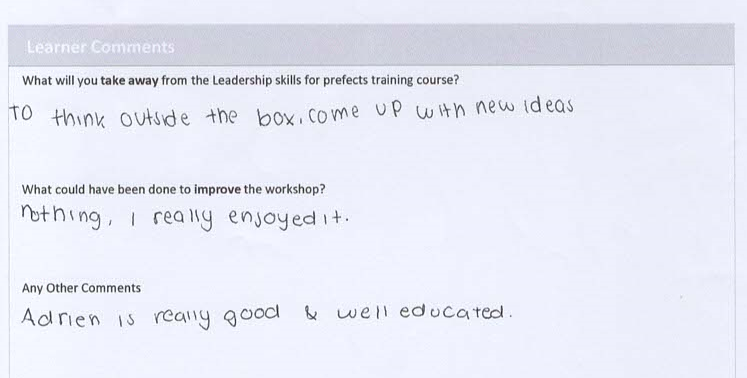
Some the Schools Teacher Adrian Has Worked With...







Speak English Confidently at Work in Asia: Stop Translating and Start Communicating
Thanks for visiting our Speak English Confidently at Work in Asia page, here is the link to our Homepage
Learn English in Vietnam - Learn English in Japan - Learn English in Cambodia - Learn English in Laos - Learn English in Thailand - Learn English in Singapore - Learn English in Malaysia - Learn English in Indonesia - Learn English in Philippines
Speak English Confidently at Work in Asia, many professionals in Asia understand English but struggle to speak confidently at work. Learn how to stop translating and communicate naturally in English.
Speak English Confidently at Work in Asia: Stop Translating and Start Communicating
Speak English with Confidence
Many professionals across Asia study English for years.
But speaking confidently in real conversations can still feel difficult.
Teacher Adrian helps learners develop clear, practical English for everyday life and work.
- Simple lessons
- Real conversations
- Step-by-step confidence
Start Your English Journey
Explore the 12-Week English Confidence Program and begin improving your communication today.
View the Program
Contact Teacher Adrian
Start Your English Journey
Explore the 12-Week English Confidence Programme and begin improving your communication today.
View the Programme
Speak English with Confidence with Teacher Adrian