Why Speaking English Is Difficult
Practical English confidence tips from Teacher Adrian to help you speak clearly, naturally, and without fear.
Why Speaking English Is Difficult and Why Speaking English Confidently in Asia Is Harder Than It Should Be
Millions of people across Asia spend years studying English.
They memorise vocabulary, complete grammar exercises, and pass exams.
Yet when the moment comes to actually speak English, many hesitate.
The words disappear.
Confidence drops.
Silence feels safer than speaking.
If this sounds familiar, you're not alone.
In fact, this is one of the most common struggles among English learners in Asia.
The surprising truth is that speaking English confidently is often harder than it should be - not because learners lack ability, but because of how English is traditionally taught.

Why Speaking English Is Difficult | Learn with Teacher Adrian
 Online English lesson for professionals learning English in Asia
The Problem: Years of Study but Little Speaking
Many students in Asia study English for 6 to 12 years in school.
Despite this long exposure, a large number still feel uncomfortable speaking.
Why?
Because most education systems focus heavily on:
Grammar rules
Reading comprehension
Vocabulary memorization
Written examinations
These skills are useful, but they miss the most important ability:
Real communication.
Learning a language and using a language are very different things.
Without practice speaking in real situations, knowledge stays theoretical.
Why Speaking English Is Difficult | Learn with Teacher Adrian
Why English Learners Struggle to Speak
There are several reasons why learners struggle to speak English confidently, even after years of study.
1. Fear of Making Mistakes
In many classrooms, mistakes are corrected immediately.
While correction is important, it can also create anxiety.
Students begin to think:
"If I make a mistake, I will be embarrassed."
So instead of speaking imperfect English, they choose not to speak at all.
2. Too Much Focus on Perfection
Traditional learning often emphasises perfect grammar.
But real communication rarely works that way.
Even native speakers:
- Pause
- Repeat words
- Make grammatical mistakes
Waiting for perfect English before speaking creates a trap.
Perfection delays communication.
3. Lack of Real Conversation Practice
Many learners spend years reading and writing English but have very few opportunities to:
- Speak spontaneously
- Respond in real conversations
- Think quickly in English
Language confidence develops through interaction, not just study.
 The 'L' is for Language - 12-Week English Transformation Journey
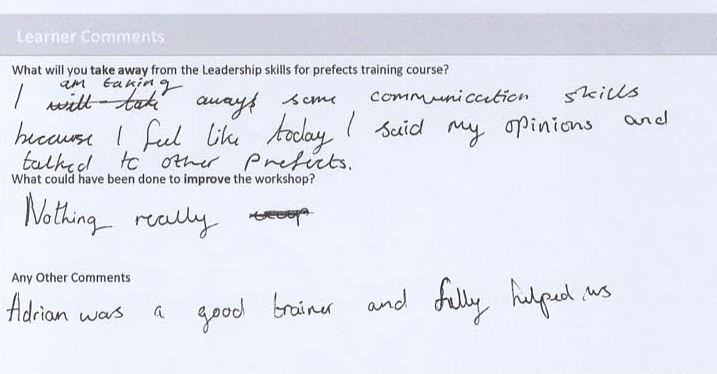 Professional English speaking training for Asian learners
 Level 1 English for Everyday Life online speaking course
The Confidence Gap in English Learning
This situation creates what many educators call the confidence gap.
Learners may have:
- Strong grammar knowledge
- Good vocabulary
- Years of education
Yet when speaking, they feel like beginners.
The issue isn't intelligence or effort.
It’s confidence.
And confidence cannot be memorised from textbooks.
It grows through experience using the language.
Contact Teacher Adrian If You Have Any Questions
Why Communication Matters More Than Perfection
The real goal of language learning isn't flawless grammar.
The goal is understanding and being understood.
Successful communication means:
- Expressing ideas clearly
- Responding naturally
- Continuing a conversation even with mistakes
Ironically, many fluent speakers communicate effectively without perfect grammar.
What they have instead is confidence.
 English teacher Adrian helping learners improve speaking confidence
How to Speak English Confidently: A Better Approach
Building English speaking confidence requires a shift in mindset.
Instead of focusing only on correctness, learners should focus on communication and practice.
Here are some practical ways to start.
1. Speak English Every Day
Even short conversations help build speaking ability.
Daily speaking practice trains the brain to:
- Think faster in English
- Respond naturally
- Reduce translation in your head
Consistency matters more than long study sessions.
2. Focus on Being Understood
Ask yourself one simple question after speaking:
Did the other person understand me?
If the answer is yes, communication was successful.
Perfect grammar is not required for understanding.
3. Practice Thinking in English
Many learners translate from their native language.
This slows down conversation.
Practicing thinking in English, even simple thoughts, helps develop natural speaking flow.
4. Join Conversation Groups
Speaking communities, language exchanges, or conversation classes create safe environments to practice.
Regular interaction builds confidence much faster than studying alone.
5. Accept Mistakes as Part of Learning
Every fluent English speaker made thousands of mistakes while learning.
Mistakes are not proof of failure.
They are proof of progress.
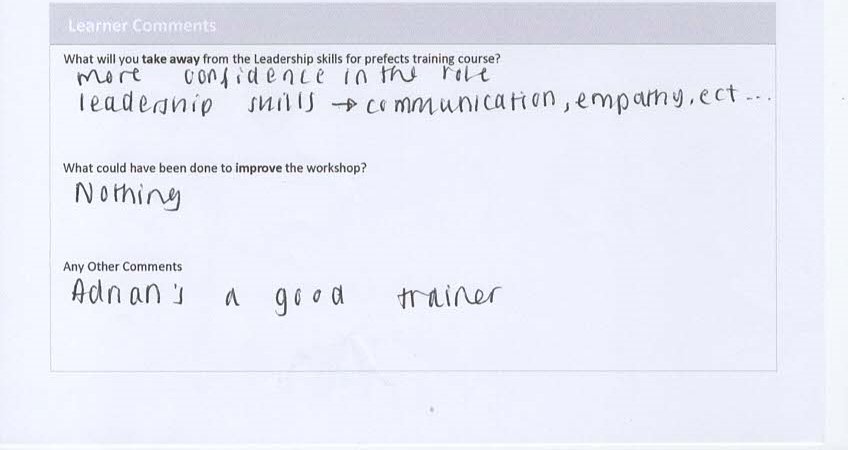
 Students learning English communication skills online
Contact Teacher Adrian If You Have Any Questions
Why Speaking English Is Difficult
What Happens When Confidence Improves
When learners focus on communication instead of perfection, something powerful happens.
They begin to:
- Speak more naturally
- Express their ideas clearly
- Enjoy conversations
- Build real connections with people
English stops feeling like a school subject.
It becomes a tool for communication and opportunity.
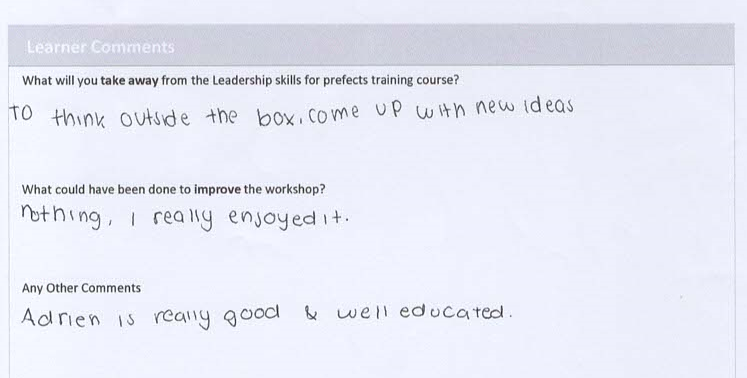 British English teacher supporting professionals learning English in Asia
English Confidence Opens Global Opportunities
Across Asia, English plays an important role in:
- International careers
- Higher education
- Global business
- Travel and networking
But these opportunities depend on one key ability:
The confidence to speak.
Knowledge alone is not enough.
Communication is what truly unlocks opportunity.
Final Thoughts: Confidence Changes Everything
If you've studied English for years but still hesitate to speak, remember this:
You are not alone.
And you are not behind.
Many learners simply haven't had enough opportunities to develop speaking confidence.
Once learners stop waiting for perfect English and start communicating with the English they already know, progress accelerates.
Confidence grows.
Conversations become easier.
And English finally becomes what it was always meant to be:
a bridge connecting people across the world.
 Online English course helping professionals speak with confidence
Start Learning English Today - Why Speaking English Is Difficult
If you want to speak English more confidently, communicate better at work and open new professional opportunities, the Teacher Adrian program provides a clear and structured path.
With practical lessons, real conversation practice and step-by-step guidance, you can begin building your English confidence today.
Start your journey with Teacher Adrian and take the first step towards confident English communication.

Other Related Blogs
Why Speaking English Confidently in Asia Is Harder Than It Should Be
If you’ve studied English for years but still hesitate when speaking, you’re not alone. This post explores why traditional learning methods often miss the most important skill, real communication, and how developing confidence step by step changes everything.
The Quiet Confidence Gap: Why Many Professionals in Asia Understand English but Don’t Speak It
Across Asia, capable professionals often feel their English doesn’t reflect their real ability. This blog looks at the hidden gap between understanding English and speaking it confidently - and what actually helps close that gap.
Speak English with Confidence in Asia: The Moment You Stop Translating and Start Communicating
Many professionals across Asia know far more English than they realise. The real challenge isn’t vocabulary - it’s confidence under pressure. In this article, we explore the shift from translating words in your head to expressing ideas naturally in real conversations.
Contact Teacher Adrian If You Have Any Questions
Why Speaking English Is Difficult
Some the Schools Teacher Adrian Has Worked With...








Why Speaking English Is Difficult
Thanks for visiting our Why Speaking English Is Difficult page, here is the link to our Homepage
Learn English in Vietnam - Learn English in Japan - Learn English in Cambodia - Learn English in Laos - Learn English in Thailand - Learn English in Singapore - Learn English in Malaysia - Learn English in Indonesia - Learn English in Philippines
Why Speaking English is Difficult, Many English learners in Asia study for years but still struggle to speak confidently. Discover why traditional learning methods fail and how confidence changes everything.
Why Speaking English Is Difficult
Speak English with Confidence
Many professionals across Asia study English for years.
But speaking confidently in real conversations can still feel difficult.
Teacher Adrian helps learners develop clear, practical English for everyday life and work.
- Simple lessons
- Real conversations
- Step-by-step confidence
Start Your English Journey
Explore the 12-Week English Confidence Program and begin improving your communication today.
View the Program
Contact Teacher Adrian
Start Your English Journey
Explore the 12-Week English Confidence Programme and begin improving your communication today.
View the Programme
Speak English with Confidence with Teacher Adrian